Seventeen years ago, on the day we celebrated the life of Dr. Martin Luther King, Jr., I wrote the article below on a personal blog. This morning, while reflecting on Dr. King’s legacy, I revisited it and felt it was still as relevant and meaningful today as it was then. While a few of the statistics are now outdated, the message and intent remain important and timely. So, in honor of Dr. King’s birthday today, I’m republishing it with some updates and perspective for 2026.
Originally published January 19, 2009…
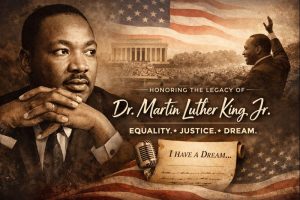 Today we celebrate the life of Dr. Martin Luther King, Jr., the influential, prominent leader and icon of the American Civil Rights Movement.
One of the most significant achievements of Dr. King and the movement was the passage of the Civil Rights Act of 1964, which outlawed discrimination in public places, required the integration of schools, and made employment discrimination illegal. However, housing discrimination remained legal at the time, and Dr. King continued to push for equal housing rights until his death.
It wasn’t until April 11, 1968, just one week after Dr. King’s assassination, that the Civil Rights Act of 1968, commonly known as the Fair Housing Act, was signed into law by President Lyndon B. Johnson. This landmark legislation finally made housing discrimination based on race, religion, national origin, or sex illegal. It’s tragic that Dr. King did not live to witness this major victory in the fight for equal rights.
In a post I wrote back in 2008, I referenced a then-recent report by the National Commission on Fair Housing and Equal Opportunity. The commission concluded that “…discrimination continues to be endemic, intertwined into the very fabric of our lives.” At the time, the report estimated that there were over 4 million fair housing violations annually.
Sadly, while some progress has been made since then, challenges persist. The National Fair Housing Alliance’s latest report shows that in 2024 alone, more than 32,000 housing discrimination complaints were formally filed, and that’s just the number reported. Systemic disparities in access to homeownership, lending, and affordable housing options continue to disproportionately affect communities of color.
I doubt Dr. King dreamed of a society where housing discrimination still occurs in the millions. Nor do I think any of us are satisfied with that reality. So today, it seems appropriate to reflect on these persistent problems and ask: are we doing everything we can to ensure that housing is truly fair for all?
Dr. Martin Luther King, Jr. was a great man who paid the ultimate price in his pursuit of justice and equality. His dream still inspires generations to stand up for what’s right, and to work toward a future where one’s zip code doesn’t determine opportunity. Below are a few resources I think are worth revisiting to reflect on his life and the movement he helped lead:
- Text of the “Letter from Birmingham Jail” – one of Dr. King’s most powerful writings.
- Video of the “I Have a Dream” speech – still moving, still relevant.
- A timeline of Dr. King’s life and accomplishments
May we all take time today to honor the legacy of Dr. King… not just in words, but in our actions.